
Toxic Mold Exposure
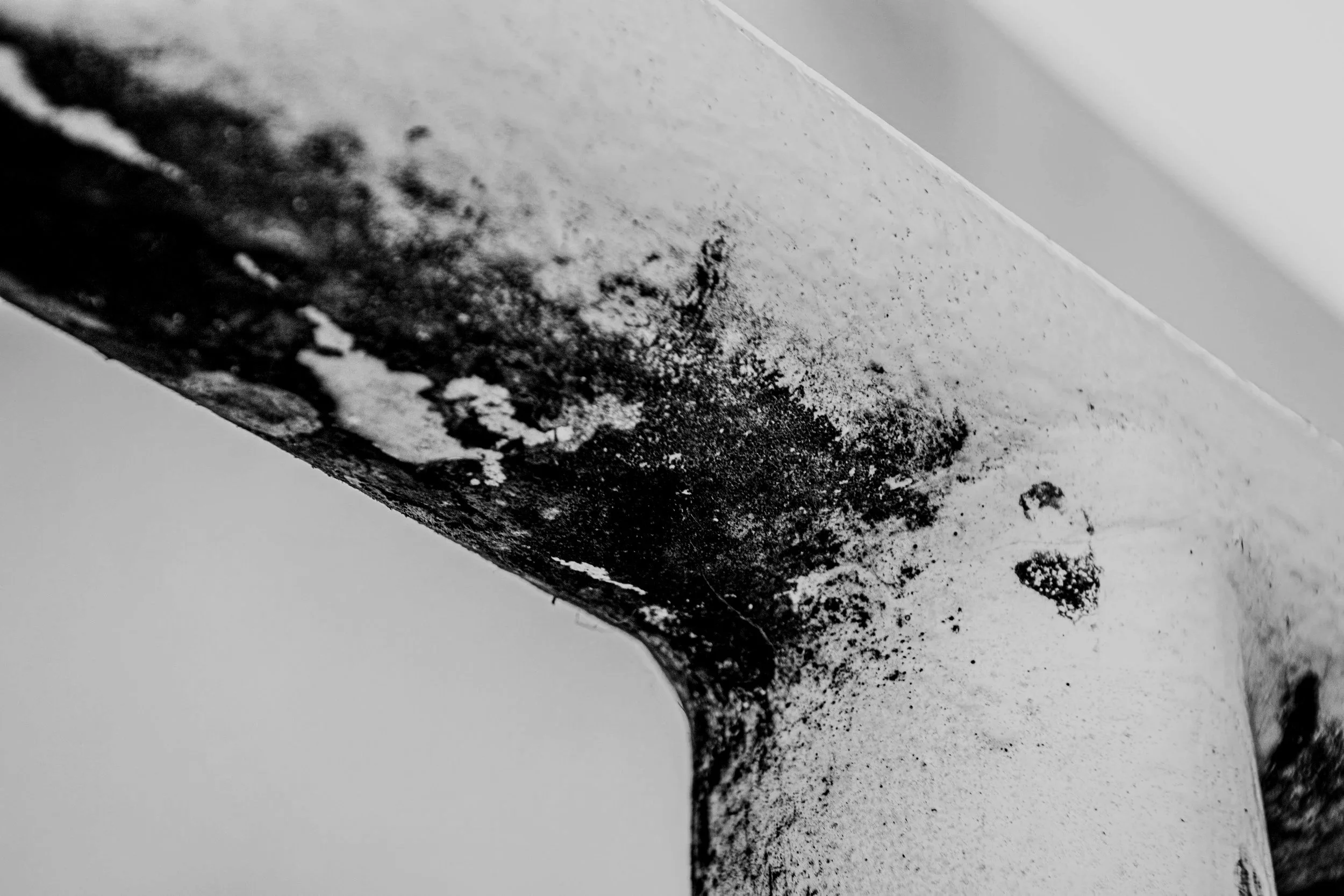
A leaking roof. Water stains that keep returning. A musty apartment and breathing problems that seem worse at home. When you suspect mold is affecting your health, you need clear answers about your medical care and your legal options.
SNABLE evaluates mold exposure claims in Birmingham and throughout Alabama. We examine the property conditions, the responsible parties’ actions, and the medical evidence to determine whether there is a basis to pursue a claim.
Mold Exposure: Here’s What You Need to Know
Mold can grow where leaks, flooding, humidity, or ventilation problems leave materials damp.
“Black mold” does not automatically mean a building is toxic or that someone has been poisoned.
People with asthma, mold allergies, weakened immune systems, or certain lung conditions may face greater health risks.
A photograph or positive mold test alone does not prove that mold caused an illness.
Property damage and housing-related losses may deserve legal review even when a personal injury claim is uncertain.
What Is Black Mold?
“Black mold” commonly refers to Stachybotrys chartarum, a mold that can grow on persistently wet materials such as drywall and paper. However, color alone does not establish which mold is present or how it may affect someone’s health.
The Centers for Disease Control and Prevention advises addressing mold and moisture problems regardless of the type of mold involved. For an Alabama mold exposure claim, the important questions concern the conditions in the building, responsibility for those conditions, and the harm the evidence supports.
Can Mold Exposure Make You Sick?
Damp and moldy environments can affect people differently. Some people experience no symptoms. Others develop respiratory or allergic problems.
Symptoms and conditions that warrant medical attention may include:
Persistent coughing, wheezing, or shortness of breath.
Worsening asthma or an increased need for asthma medication.
Nasal congestion, sneezing, or irritated eyes.
Skin irritation or rashes.
Other lung problems that require evaluation by a physician.
CDC identifies associations between damp indoor environments and respiratory symptoms, asthma, and certain other conditions. These symptoms also have other possible causes, so medical evaluation matters. Read CDC’s mold health guidance.
Do I Need to See an Allergist?
An allergist may help evaluate suspected mold allergies or asthma. Depending on your symptoms, your physician may recommend a pulmonologist or another specialist.
A medical evaluation can help establish:
Your diagnosis and appropriate treatment.
Whether an existing condition has worsened.
Whether your symptoms fit the reported exposure.
Whether other conditions or environmental factors could explain your symptoms.
An allergy test does not, by itself, prove that a particular home or building caused your illness. Your medical history, test results, exposure history, and the property evidence must be considered together.
You do not need to arrive at your legal consultation with every answer or a completed specialist evaluation.
Who May Be Responsible for Mold Exposure in Alabama?
Depending on the circumstances, a claim may involve a property owner, landlord, property management company, contractor, or another responsible party.
Facts that may warrant investigation include:
Repeated reports of roof leaks, plumbing failures, or water intrusion.
A known moisture problem that was concealed or left unresolved.
Repairs that failed to address the source of recurring mold.
Construction or HVAC work that contributed to water damage.
Remediation that was performed improperly.
Alabama law requires a careful review of the parties’ duties, contracts, knowledge, and conduct. The presence of mold does not automatically establish liability. Residential rental remedies and personal injury claims also involve different legal requirements.
What Should You Do If You Suspect Mold Exposure?
Seek medical care. Tell your provider about your symptoms, when they began, and the conditions you observed.
Document the property. If safe, photograph visible growth, water stains, leaks, and damaged belongings. Keep the original files.
Report problems in writing. Save maintenance requests, emails, text messages, and responses.
Keep a timeline. Record occupancy dates, repair attempts, medical visits, and changes in symptoms.
Save records of losses. Keep medical bills, relocation receipts, inspection reports, and repair invoices.
Ask about preserving evidence. Before destructive repairs or disposal, obtain guidance when feasible. Do not delay necessary care or remain exposed to preserve a claim.
You do not necessarily need an expensive test before seeking help. EPA explains that visible mold often does not require sampling and that no federal airborne mold limits have been established. Any testing should serve a defined purpose and be properly interpreted. EPA: mold testing and sampling.
Speak With SNABLE About an Alabama Mold Exposure Claim
During your consultation, we will want to understand where you were exposed, what happened at the property, what notice was given, and what medical care you have received. Bring your lease or purchase documents, photographs, communications, and available medical records, if you have them.
Deadlines can apply before you have every medical or environmental answer. Contact SNABLE in Birmingham TODAY to discuss your potential toxic mold exposure claim and the next steps for evaluating it.